
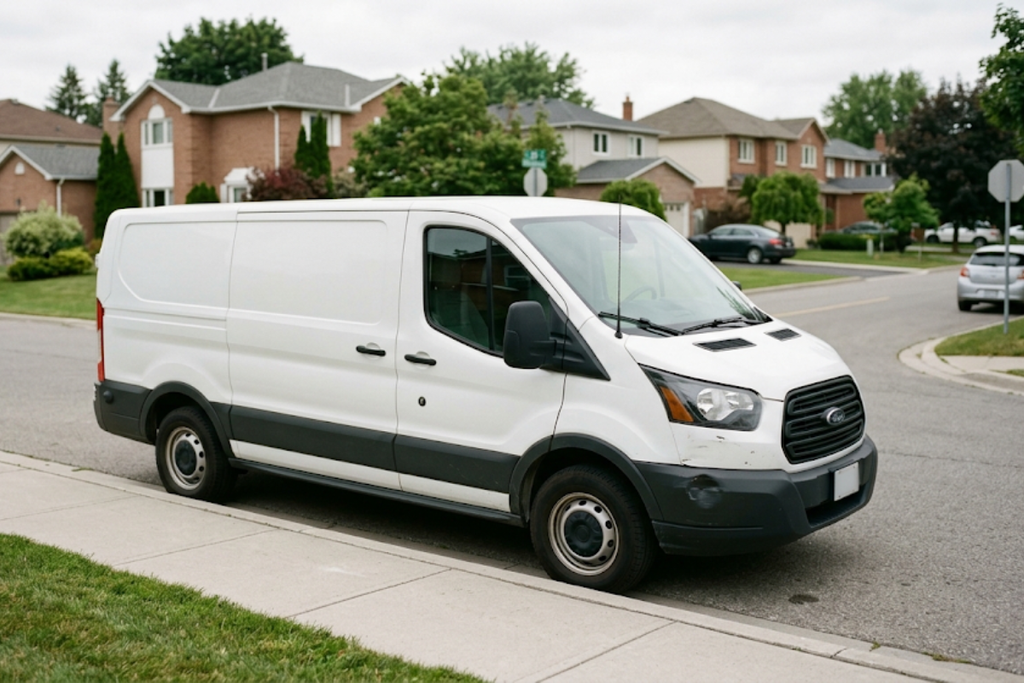
A FedEx box truck backing out of a loading zone on 21st Street in Tulsa needs only about four seconds to clear a parking space, and in that narrow window a driver who skips a mirror check can put a pedestrian on the pavement with a broken wrist instead of just a scraped bumper. Multiply that scene by the dozens of Amazon vans, grocery delivery cars, and regional freight trucks working Tulsa neighborhoods every single day, and it is easy to see why these crashes happen more often than most people expect. If you are asking yourself, can I get compensated if a delivery truck hit me, the short answer is usually yes, but the process looks different from a routine two-car fender bender, especially once you find out who was actually behind the wheel.
Delivery vehicle accidents get complicated fast because the driver who hit you may not work for the company whose logo is on the side of the vehicle. That distinction changes who pays your medical bills, how much insurance coverage is available, and how quickly a claim gets resolved.
Can I Get Compensated If a Delivery Truck Hit Me? What Determines the Answer
Whether you can recover compensation, and from whom, depends heavily on three things: who employs the driver, what that driver was doing at the moment of the crash, and which insurance policy or policies were in force at that time. A driver delivering packages for a company-owned fleet is usually covered by that company’s commercial auto policy. A driver working as an independent contractor for a logistics platform may be covered by a patchwork of policies that only apply during an active delivery. Sorting out which category applies to your crash is the first real step toward any settlement.
Oklahoma follows a fault-based system, meaning the driver and/or company responsible for causing the wreck, and their insurer, are the ones who owe compensation for your medical bills, lost wages, vehicle damage, and pain and suffering. The challenge with delivery vehicles is identifying every party that could share in that responsibility before a claim deadline passes.
Who Actually Employs the Driver Matters More Than You Think
Many people assume that if an Amazon-branded van hits them, Amazon simply pays the claim. In reality, a large share of last-mile delivery drivers work for independently owned Delivery Service Partner companies that contract with the retailer, not for the retailer itself. Package carriers like FedEx also rely heavily on contracted ground delivery businesses rather than direct employees for many routes. Untangling which entity actually issued the paycheck, set the driver’s schedule, and controlled the delivery route is often the single biggest factor in a commercial delivery claim, because it determines which insurance policy responds first.
The distinction between an employee and an independent contractor is not just a technicality. Under the legal doctrine of respondeat superior, an employer is generally held vicariously liable for the negligent acts of an employee performed within the scope of employment. That same protection does not automatically extend to a true independent contractor, though many delivery and logistics arrangements blur that line enough that the contracting company can still be pulled into a claim.
Delivery Vehicle Types and Who Is Typically Liable
| Delivery Vehicle / Operator Type | Who Is Typically Liable |
|---|---|
| Company-owned delivery van, driver is a direct employee | Employer is typically vicariously liable through respondeat superior; the company’s commercial auto policy usually applies. |
| Independent contractor driving for a logistics or delivery platform | The contracting platform or logistics company may share liability depending on how much control it exercised; contingent commercial policies often apply during active deliveries. |
| Owner-operator leasing a truck to a motor carrier | The motor carrier holding the operating authority is usually liable regardless of who technically owns the truck. |
| Third-party delivery service subcontracted by a retailer | Multiple parties can potentially be liable together: the subcontractor, the retailer that hired it, and the individual driver. |
| Personal vehicle used for an app-based food or grocery delivery | The driver’s personal auto policy is typically primary, with the app company’s contingent commercial policy potentially covering gaps during an active delivery. |
As the table shows, a company-owned van with a direct employee behind the wheel usually points to one clear defendant: the employer, under vicarious liability. An independent contractor working for a delivery platform muddies that picture, since the platform may argue the driver was not its employee at all, even though its contracted insurance may still apply. Owner-operators leased to a motor carrier are typically covered by that carrier’s authority regardless of who holds the title to the truck. When a retailer subcontracts its last-mile delivery to a separate company, you may be dealing with two or three potentially liable parties at once. And a personal vehicle used for gig delivery work usually triggers a layered insurance situation, starting with the driver’s own policy and potentially reaching the platform’s coverage if the driver was actively engaged in a delivery.
Common Delivery Vehicles Involved in Tulsa Accidents
- Box trucks and step vans used by national package carriers
- Cargo vans branded for large e-commerce delivery fleets
- Unmarked personal vehicles used for app-based food or grocery delivery
- Straight trucks and box trucks operated by regional freight and logistics companies
- Refrigerated delivery trucks serving grocery stores and restaurants
Steps to Take After a Delivery Vehicle Accident
- Call 911 and get a police report, even if the damage looks minor at first
- Photograph the vehicle, any visible company markings, and the license plate before it leaves the scene
- Get the driver’s name and ask directly whether they are an employee or contractor and for whom
- Seek medical evaluation promptly, since some injuries do not show symptoms right away
- Avoid giving a recorded statement to any insurance adjuster before you understand which policy is involved
The Federal Rules Behind Commercial Delivery Vehicles
Delivery trucks and vans that meet certain weight thresholds fall under federal oversight, and the companies operating them are held to specific responsibilities. The Federal Motor Carrier Safety Administration requires motor carriers to follow safety standards, verify driver qualifications, and check driving records, obligations that exist precisely because commercial vehicles carry a higher risk of serious harm than an ordinary passenger car. Crashes involving large trucks remain a significant source of serious injury nationally, and federal crash data shows that most people hurt or killed in these collisions are occupants of the other vehicle, not the truck itself, which underscores how much is at stake for the person who gets hit.
At the same time, the classification of the driver has become its own legal battleground. The U.S. Department of Labor’s economic reality test weighs factors like who controls the driver’s schedule, whether the delivery work is core to the company’s business, and how much the driver has invested in their own equipment, all of which can affect whether a company can distance itself from a driver’s mistakes. Broader commentary on this shift, including analysis of gig economy labor trends, notes that classification rules have changed repeatedly in recent years, which is exactly why a claim involving a contractor driver benefits from someone who tracks these changes closely. National safety organizations also compile large truck injury data that helps illustrate just how serious these collisions tend to be compared to typical passenger vehicle crashes.
Understanding these frameworks matters because they shape the arguments an insurance company will make. A delivery company facing a claim has every incentive to argue the driver was an independent contractor with no employer liability attached. Knowing the federal standards that govern motor carriers, and the legal test used to sort employees from contractors, helps counter that argument with something more than a guess.
If your crash more closely resembles a commercial vehicle collision involving a larger freight truck rather than a local delivery van, the same core liability questions apply, just often with higher policy limits and additional federal recordkeeping requirements to review.
Why Choose Truskett Law
Delivery accident claims live or die on one question that most people never think to ask right away: who actually employed that driver, and whose insurance is on the hook. We start every delivery vehicle case by identifying whether the driver was a direct employee, an independent contractor working for a third-party logistics company, or someone driving their own car under a delivery app agreement, because each answer points to a different insurance policy and sometimes a different defendant entirely.
We also dig into the paper trail that most injured people never see: dispatch records, delivery route assignments, and contractor agreements that spell out how much control the branded company actually had over the driver’s day. That control question often decides whether a household-name delivery brand can be held responsible alongside, or instead of, a smaller contracting company that most people have never heard of. Because Truskett Law is based here in Tulsa, Oklahoma, we also know which local intersections, loading zones, and delivery corridors tend to produce these wrecks, which helps when it comes time to gather scene evidence quickly before it disappears.
Rather than accepting the first explanation an insurance adjuster offers about who is and is not responsible, we verify it against the actual employment and contractor relationships behind the vehicle that hit you.
Conclusion
If a box truck, delivery van, or last-mile courier vehicle hit you anywhere in Tulsa, Oklahoma, the path to compensation depends on facts that are not always obvious at the scene, starting with who actually employed the driver and which insurance policy responds. Between company-owned fleets, independent contractors, subcontracted logistics companies, and personal vehicles used for gig delivery work, the number of potentially liable parties can add up quickly, and so can the paperwork required to prove it. Getting clear, prompt answers about employment status and coverage can make the difference between a fair settlement and a claim that stalls out. If you were hurt in a delivery vehicle crash, prove fault with solid documentation early, and consider having someone review the employment and insurance layers on your behalf before you accept anything an adjuster offers.
If a delivery vehicle hit you in Tulsa, do not wait to find out what your claim is worth. Contact Truskett Law for a free consultation, and remember, there is no fee unless we win.
Frequently Asked Questions
Who is liable if a delivery driver hits my car?
Liability depends on the driver’s employment status and what they were doing at the time. If the driver was a direct employee acting within the scope of their job, the employer is typically responsible. If the driver was an independent contractor, the contracting company may still share liability depending on how much control it had over the driver’s work.
Is a delivery company responsible for its drivers’ accidents even if they are contractors?
It depends on the specific relationship and how much control the company exercised over the driver’s schedule, equipment, and route. Courts look at factors like whether the company set delivery deadlines, provided the vehicle, or dictated how the work was performed. In many cases, contracting companies still carry insurance that covers accidents during active deliveries.
What if the delivery driver was using their own personal car?
Personal vehicle use for app-based delivery work typically means the driver’s personal auto policy applies first. Many delivery apps also carry contingent commercial coverage that can apply if the driver was logged into the app and actively making a delivery when the crash happened.
Does it matter if the driver was on a break when the crash happened?
Yes. Whether an accident occurred within the scope of employment can determine if an employer or contracting company is liable at all. A driver running a personal errand between deliveries may not trigger the same employer responsibility as one actively completing a delivery route.
How is a delivery truck accident claim different from a regular car accident claim?
Delivery vehicle claims often involve more potential defendants, more insurance policies, and more corporate paperwork than a standard two-car crash. Identifying the correct employer or contracting company, and the policy that actually applies, usually takes more investigation than a typical fault dispute between two private drivers.
