
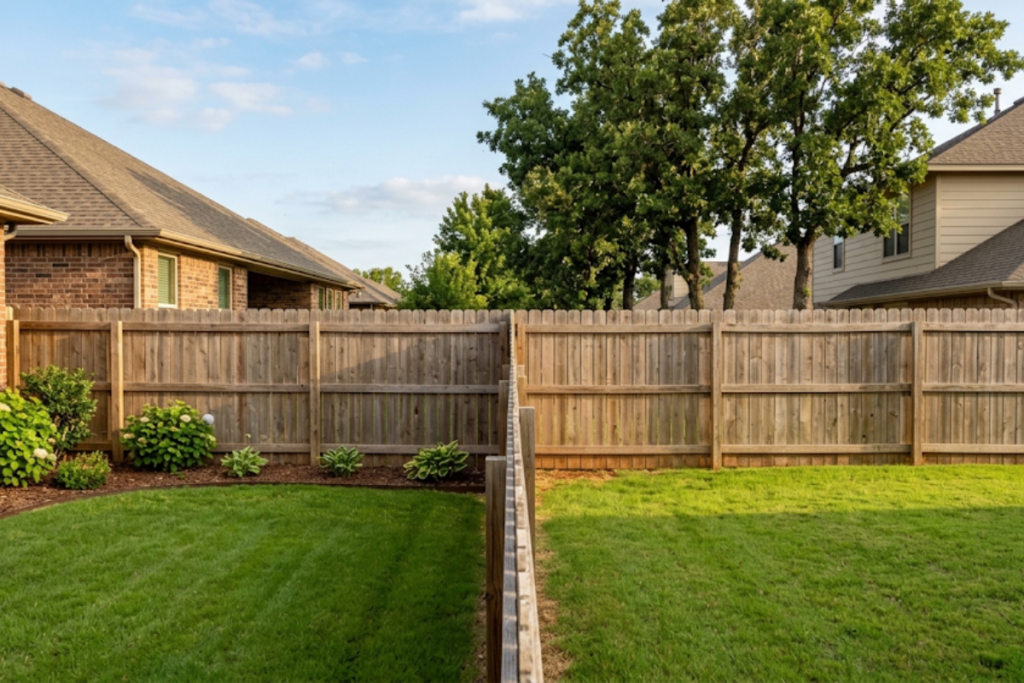
A shared chain-link fence along a quiet street in a Tulsa neighborhood is often the only thing separating two families’ backyards, and it only takes a loose gate latch or a few worn-out inches of wire for a dog to slip through and reach a neighbor’s yard, mail carrier, or child playing near the property line. When that happens and the bite leaves stitches, nerve damage, or a trip to the emergency room, the question that follows almost immediately is whether you can sue your neighbor if their dog bit you in Oklahoma. The short answer is yes: Oklahoma law allows an injured person to hold a dog owner financially responsible even if the neighbor insists their dog has never bitten anyone before and even if the dog is normally friendly at the fence line.
Can I Sue My Neighbor If Their Dog Bit Me in Oklahoma? What State Law Says
Oklahoma follows a strict liability rule for dog bites, found in Oklahoma law, Title 4, Section 42.1 of the Oklahoma Statutes. Under this statute, a dog owner is liable for the full amount of damages when their dog bites or injures someone without provocation, as long as the injured person was lawfully present where the bite occurred, whether that’s a public sidewalk, a neighbor’s driveway, or their own front porch. This matters because many states still follow a “one bite” rule that lets an owner escape liability if the dog had never bitten anyone before. Oklahoma does not work that way. A first-time bite from an otherwise gentle dog can still support a claim, which is why documenting everything about the attack, from the wound itself to where it happened, matters just as much as it would in any other injury case.
There are two conditions worth understanding before assuming a claim is automatic. First, the bite has to happen without provocation, meaning the person didn’t tease, corner, or otherwise trigger the dog into defensive behavior. Second, the victim has to be somewhere they had a legal right to be. Someone who is on the neighbor’s property without permission, or who is trespassing to retrieve a stray ball from behind a locked gate, may face a harder claim than someone standing on a public street or their own property when the dog got loose.
Suing the Person vs. Filing an Insurance Claim
One detail surprises a lot of Tulsa homeowners: in most neighbor dog bite cases, nobody actually sues the neighbor’s personal bank account. Instead, a claim is filed against the neighbor’s homeowners or renters insurance policy, which typically includes liability coverage for exactly this kind of incident. According to the Insurance Information Institute, dog bite and dog-related liability claims cost insurers over a billion dollars nationwide in a recent year, and the vast majority of those claims were paid through existing homeowners and renters policies rather than out of an owner’s own pocket.
This distinction changes the emotional tone of a claim considerably. A demand letter or claim filed with an insurance carrier is a business transaction between the injured person and an insurance company, not a personal attack on a neighbor. Most homeowners and renters policies carry liability limits somewhere between $100,000 and $300,000, which is often enough to cover medical bills, lost wages, and pain and suffering from a serious bite without the neighbor writing a personal check at all. A lawsuit against the individual neighbor only tends to become necessary when there’s no applicable insurance policy, the policy limits are too low to cover the injury, or the insurer denies the claim outright.
What “Without Provocation” Really Means
Because Oklahoma’s strict liability standard hinges on the word “provocation,” insurance adjusters often focus heavily on what happened in the seconds before the bite. Reaching into a dog’s food bowl, cornering it in a small space, or startling it while it sleeps can all be argued as provocation, even if the person didn’t intend any harm. Understanding basic canine body language helps clarify why some bites happen in the first place. The American Veterinary Medical Association publishes guidance on reading a dog’s stress signals, including stiff posture, pinned ears, and a lowered tail, all of which typically appear before a bite and are worth knowing whether you’re a dog owner or simply a neighbor walking past a fence line. None of that changes Oklahoma’s strict liability rule, but it does shape how insurance companies evaluate a claim, which is one more reason it helps to have someone reviewing the facts on your behalf before you say anything to an adjuster.
Steps to Take After a Neighbor’s Dog Bites You in Tulsa
The period right after a bite matters more than most people realize, both for your health and for the strength of any future claim. Medical treatment should always come first. The CDC notes that nearly one in five people bitten by a dog needs medical attention, and even a bite that looks minor can carry infection risk that isn’t obvious right away. After treatment, the incident should be reported so there’s an official record connecting the dog, the owner, and the injury.
The table below lays out the general process and rough timing for a neighbor dog bite claim in Oklahoma. Every step listed here is also described in the paragraphs around it, so you can use either format depending on what’s easier to reference later.
| Step | What It Involves | General Timing |
|---|---|---|
| Seek Medical Treatment | Clean the wound, get evaluated by a doctor or emergency room, and obtain a written medical record of the injury. | Same day as the bite |
| Report the Bite to Animal Control | Notify Tulsa Animal Services or the local animal control agency so the dog’s history and rabies status are on record. | Within 24 to 48 hours |
| Document the Scene and Injury | Photograph the wound, the fence or yard where the bite happened, and collect contact information from any witnesses. | Within the first few days |
| Notify the Neighbor’s Insurer | A liability claim is submitted to the neighbor’s homeowners or renters insurance carrier. | Within 1 to 2 weeks |
| Consult a Personal Injury Attorney | An attorney reviews the claim, communicates with the insurance adjuster, and calculates a fair settlement demand. | Before speaking further with the insurer |
| Negotiate or File Suit | Most claims settle with the insurer; unresolved claims can be filed in court within Oklahoma’s 2-year deadline. | Weeks to several months |
Reporting the bite matters even when the dog belongs to a neighbor you know well. Tulsa Animal Services keeps a record of the dog’s rabies vaccination status and bite history, and that record can become important evidence if the insurer later questions whether the attack actually happened the way you described it.
Common Myths About Neighbor Dog Bite Claims
A lot of people hesitate to look into their options after a neighbor’s dog bites them because of assumptions that simply aren’t accurate under Oklahoma law, not unlike some of the broader misconceptions covered in this site’s post on personal injury myths.
- “I can’t file a claim because the dog never bit anyone before.” Oklahoma’s strict liability rule does not require a prior bite history.
- “Filing a claim means suing my neighbor personally.” Most claims are paid through the neighbor’s homeowners or renters insurance policy, not their personal savings.
- “I was on their property, so I have no case.” Being lawfully present, including as an invited guest, still counts under the statute.
- “It’s too late since it’s been a few months.” Oklahoma allows up to two years to file a personal injury lawsuit, though evidence and witness memories fade quickly, so waiting isn’t advisable.
- “Filing will ruin the friendship for good.” Because claims typically go through insurance rather than the neighbor directly, many relationships survive the process intact.
Why Choose Truskett Law for a Neighbor Dog Bite Claim in Tulsa
Filing a claim against a neighbor’s dog is different from almost any other personal injury case, because the person on the other side of the claim is someone you may see at the mailbox, at a block party, or across the fence for years to come. Truskett Law approaches these cases with that reality in mind, working to resolve the claim through the neighbor’s homeowners or renters insurance policy whenever a policy applies, rather than pursuing the neighbor personally out of pocket. That approach keeps the legal process focused on the insurance company’s obligation to pay a valid claim, not on turning two Tulsa neighbors against each other over a fence line.
That relationship-sensitive approach doesn’t mean the claim gets treated lightly. Insurance adjusters still have to be pushed to cover the full cost of an attack, from emergency treatment and follow-up care to scarring, lost wages, and the psychological toll a bite can leave behind, especially in children. Truskett Law handles that negotiation directly, communicating with the insurer so the client isn’t the one arguing with an adjuster or explaining medical bills to a claims representative. The firm works on contingency, meaning there’s no fee unless the case results in a recovery, which keeps the decision to explore a claim from adding financial pressure to what is often already a stressful situation between neighbors.
If a neighbor’s dog bit you or your child in the Tulsa area, reach out to Truskett Law for a free case review.
Conclusion
The single most useful thing to remember about a neighbor dog bite claim in Oklahoma is this: strict liability means the law is generally on your side from the start, but that doesn’t mean an insurance company will offer a fair number without some pushback. A reasonable rule of thumb is to get medical treatment first, report the bite to animal control second, and avoid giving a recorded statement to any insurer before talking with someone who handles these claims regularly. Most neighbor dog bite claims in the Tulsa area resolve through negotiation with an insurance carrier within a few months, though more serious injuries involving surgery, scarring, or long-term nerve damage can take longer to value accurately. Keep Oklahoma’s two-year filing deadline in mind, but don’t wait until it’s close to start the process, since documentation and witness memory both fade the longer a claim sits.
Frequently Asked Questions
Do I have to sue my neighbor personally, or does insurance usually pay?
In most cases, the claim is paid through the neighbor’s homeowners or renters insurance liability coverage rather than out of their personal funds. A lawsuit against the neighbor directly typically only becomes necessary if there’s no applicable insurance or the policy limits are too low to cover the injury.
Is Oklahoma a strict liability state for dog bites?
Yes. Under Oklahoma Statutes Title 4, Section 42.1, a dog owner is liable for injuries their dog causes without provocation to someone lawfully present, regardless of whether the dog has bitten anyone before. This is different from “one bite” states that require proof the owner knew the dog was dangerous.
What if my neighbor doesn’t have homeowners or renters insurance?
If there’s no applicable policy, a claim may need to be pursued directly against the neighbor personally, which can complicate collecting a judgment. An attorney can help evaluate what other coverage or assets might apply in that situation.
How long do I have to file a dog bite claim in Oklahoma?
Oklahoma generally allows two years from the date of the injury to file a personal injury lawsuit. Waiting too long can also make it harder to gather solid evidence, even if the legal deadline hasn’t passed yet.
Will reporting the bite get my neighbor’s dog taken away?
Reporting a bite typically triggers a standard animal control investigation and a rabies observation period, not automatic removal of the dog. Outcomes depend on the severity of the incident and the dog’s history, and are handled separately from any insurance or injury claim.
