
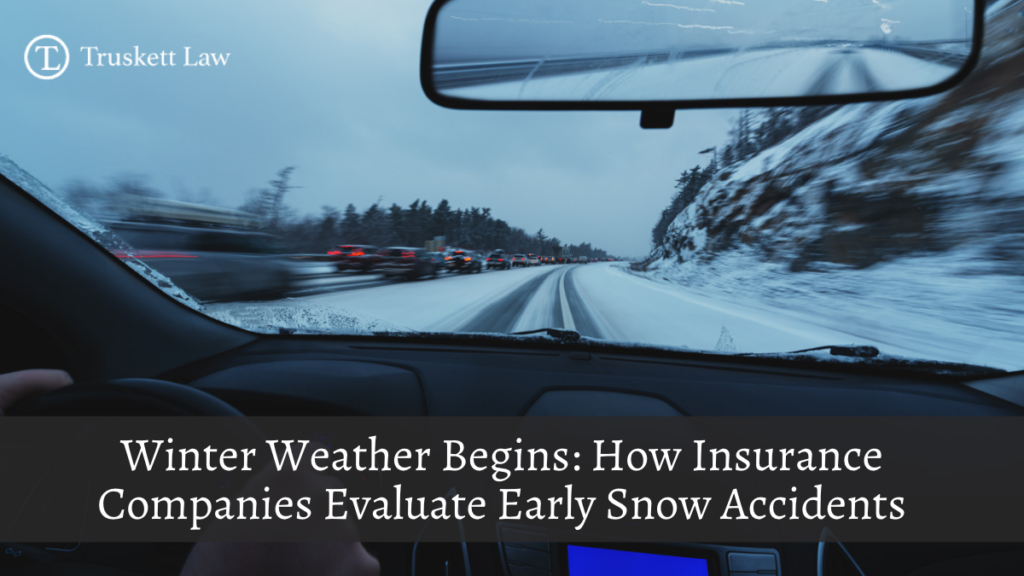
The first snowfall of the season can catch drivers off guard. Roads that were dry one day may become slick and dangerous overnight, making stopping, turning, and maintaining control more difficult. Drivers may have little recent experience navigating snow-covered streets, and even a light accumulation can increase the risk of a collision.
When an accident happens during the first winter weather event, determining who is responsible can become more complicated. Insurance companies must evaluate how the crash occurred, review available evidence, and determine whether a driver acted negligently. Snow and ice may contribute to an accident, but weather conditions do not automatically excuse unsafe driving.
Understanding how insurance companies evaluate early snow accidents can help injured drivers know what to expect when filing a claim and protecting their legal rights.
Why Early Snowfall Creates More Car Accident Risks
The first snowfall often presents unique driving challenges. Unlike drivers who have had several months to adjust to winter conditions, motorists may not yet be prepared for icy roads, reduced visibility, or changing traction.
Several factors can increase the risk of early-season accidents:
- Unprepared vehicles: Some drivers have not checked their tires, brakes, windshield wipers, or other equipment before winter weather arrives.
- Reduced traction: Snow and ice make it harder for tires to grip the road, increasing stopping distances and the risk of sliding.
- Changing road conditions: Temperatures can fluctuate, causing snow to melt and refreeze into patches of ice.
- Limited visibility: Snowfall and dirty windshields can make it harder to see other vehicles, pedestrians, and traffic signals.
- Inexperienced winter driving: Drivers may brake suddenly, follow too closely, or make sharp turns because they are not accustomed to slippery roads.
These conditions can contribute to rear-end collisions, intersection crashes, sideswipes, and vehicles sliding off the roadway. Even experienced drivers need to adjust their habits when the weather changes.
How Insurance Companies Investigate Snow-Related Accidents
After a winter weather accident, insurance companies investigate how the collision occurred and which parties may be responsible. The presence of snow or ice is one consideration, but adjusters generally look at the actions of each driver and the evidence available.
Reviewing the Police Accident Report
A police accident report can provide important information about a snow-related collision. It may include the officer’s observations, statements from drivers and witnesses, roadway conditions, vehicle damage, and any citations issued.
Although the report can help establish what happened, it does not necessarily determine the final outcome of an insurance claim. Insurance adjusters conduct their own reviews and may consider additional evidence before making a decision about liability.
Examining Photos and Video Evidence
Photographs and videos can help show the conditions surrounding an early snow accident. Images of snow-covered pavement, icy intersections, vehicle damage, and traffic signs may help investigators understand the circumstances.
Dashcam recordings and nearby surveillance footage may also show how drivers behaved before the collision. For example, video might reveal that one driver was traveling too fast for conditions, following too closely, or making an unsafe lane change.
Considering Weather and Road Conditions
Insurance companies may review weather reports to determine when snowfall began, how much snow accumulated, and whether temperatures created icy conditions.
However, knowing that snow was falling does not automatically establish who was at fault. Adjusters must consider whether drivers responded reasonably to the conditions and whether another factor contributed to the crash.
Does Snow or Ice Excuse a Driver’s Negligence?
One common misconception is that accidents caused by snow or ice are automatically considered unavoidable. In reality, drivers are generally expected to adjust their behavior when weather makes roads hazardous.
Motorists should reduce their speed, increase following distance, avoid sudden braking, and allow additional time to stop. A driver who continues traveling at an unsafe speed despite slick roads may be considered negligent if that behavior contributes to a collision.
Insurance companies may examine whether a driver:
- Traveled too fast for the road conditions
- Followed another vehicle too closely
- Failed to maintain control of the vehicle
- Ignored traffic signals or stop signs
- Made unsafe lane changes or turns
- Failed to clear snow or ice from windows and mirrors
The central issue is whether the driver acted with reasonable care under the circumstances. A driver does not have to cause an accident intentionally to be held responsible for injuries resulting from negligent behavior.
What Evidence Can Strengthen a Snow Accident Insurance Claim?
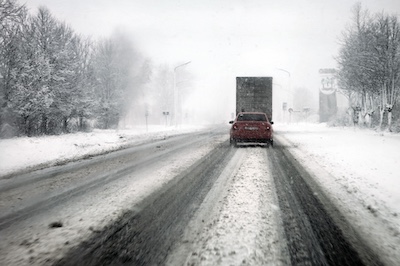
Evidence is especially important when weather conditions make it difficult to determine exactly how a collision happened. Useful documentation can help establish the sequence of events and identify factors that contributed to the crash.
Helpful evidence may include:
- Accident scene photographs: Pictures of vehicle damage, skid marks, snow accumulation, and roadway conditions.
- Witness statements: Accounts from people who saw the collision or observed driver behavior beforehand.
- Medical records: Documentation connecting injuries to the accident and showing the treatment required.
- Police reports: Information about the collision, roadway conditions, and statements from those involved.
- Vehicle damage assessments: Inspections that may help explain the force and direction of impact.
- Video footage: Dashcam or surveillance recordings that capture the moments before or during the crash.
If you are physically able, photograph the accident scene and gather witness contact information. Do not put yourself in danger to collect evidence, especially on icy or snow-covered roads.
It is also important to seek medical attention promptly. Some injuries, including concussions and soft tissue injuries, may not produce obvious symptoms immediately. Medical records can help document when symptoms began and how the accident affected your health.
Common Insurance Company Tactics After Winter Weather Accidents
Insurance companies investigate claims, but their interests may not always align with those of an injured person. Adjusters may look for reasons to limit the amount paid or dispute responsibility.
After an early snow accident, an insurance company might argue that:
- The collision was unavoidable because of snow or ice.
- The injured driver was traveling too fast for conditions.
- Road conditions, rather than driver negligence, caused the accident.
- The injuries were preexisting or unrelated to the collision.
- The medical treatment was unnecessary or excessive.
An adjuster may also request a recorded statement or offer a settlement before the injured person understands the full extent of their injuries.
Provide accurate information, but avoid guessing about details or accepting responsibility before the facts are clear. Be cautious about signing documents or agreeing to a settlement without understanding what rights you may be giving up. Once a settlement is finalized, you may not be able to seek additional compensation for the same accident.
What to Do After an Early Snow Accident
Taking the right steps after a winter weather collision can help protect your safety and support a potential insurance claim.
- Move to a safe location if possible. Turn on your hazard lights and avoid standing near moving traffic.
- Call 911 when necessary. Report the accident and request emergency assistance if anyone is injured or the roadway is unsafe.
- Exchange information. Collect the other driver’s name, contact information, insurance details, and vehicle information.
- Document the scene. Photograph vehicle damage, road conditions, and visible hazards when it is safe.
- Get medical attention. Have injuries evaluated even if symptoms seem minor at first.
- Notify your insurance company. Report the accident and provide accurate information about what happened.
- Keep records. Save medical bills, repair estimates, insurance correspondence, and documentation of missed work.
Avoid discussing fault at the scene or making assumptions about what caused the collision. A proper investigation can help establish the facts.
When Should You Contact a Personal Injury Lawyer?
Not every winter weather accident requires legal representation. However, speaking with a personal injury lawyer may be helpful if you suffered significant injuries, the insurance company disputes liability, or multiple parties may be responsible.
An attorney can review accident evidence, investigate potential negligence, communicate with insurance companies, and help determine what compensation may be available.
This may be particularly important when an insurer argues that snow or ice made the collision unavoidable. Weather conditions do not eliminate a driver’s responsibility to use reasonable care. The details of the accident, including how each driver responded to the conditions, matter.
Understand Your Options After a Winter Weather Accident
The first snowfall of the season can create hazardous driving conditions, but weather alone does not determine who is responsible for a collision. Insurance companies evaluate driver behavior, roadway conditions, accident reports, and other evidence when deciding how to handle a claim.
At Truskett Law, injured individuals can get guidance on their options after a serious car accident. If you were hurt in an early-season snow accident, understanding how insurance companies evaluate fault and compensation can help you make informed decisions. Contact our team today to get started!
