
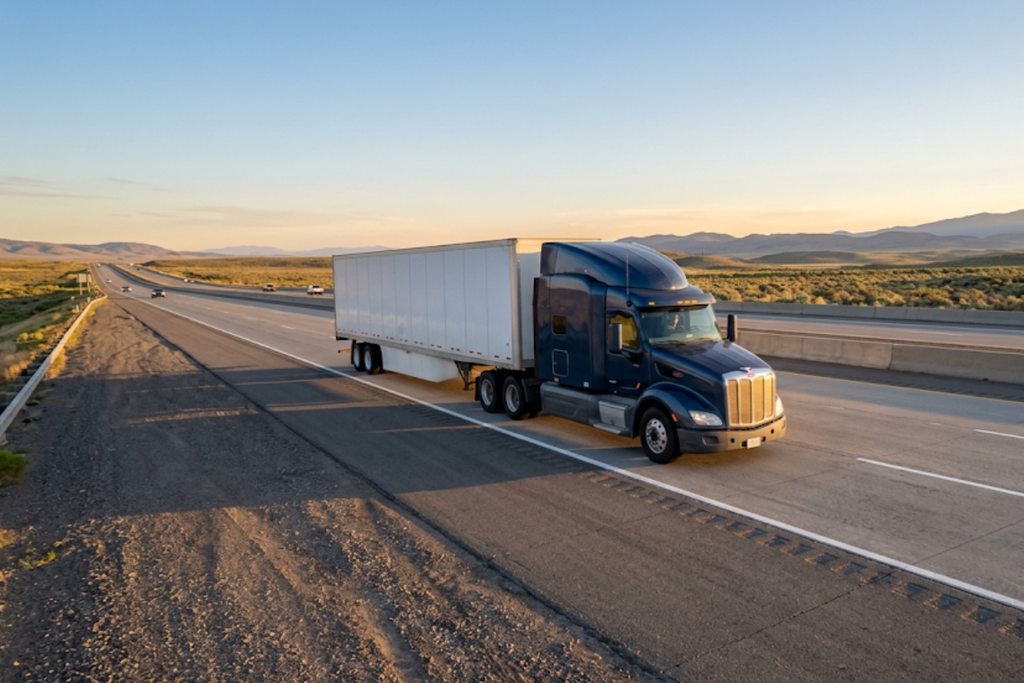
Federal law requires most interstate trucking companies to carry at least $750,000 in liability insurance, yet many injured drivers still assume a semi truck accident settlement is valued the same way as an ordinary fender-bender claim with a passenger car. That assumption is wrong, and treating a truck wreck like a routine car accident can leave real money on the table. If you were hurt in a collision with an 18-wheeler in Tulsa, Oklahoma, and you are asking how much can you get from a semi truck accident settlement, the honest answer is that it depends on the severity of your injuries, the insurance coverage actually available, and how clearly fault can be proven, not a flat number pulled from an online calculator or a friend’s old car accident case.
Why a Truck Accident Isn’t Valued Like a Car Accident Claim
A rear-end collision between two sedans is typically handled through the at-fault driver’s personal auto policy, which in Oklahoma often carries relatively modest limits. A crash involving a loaded semi is different from the moment it happens. Trucking companies operating in interstate commerce are required to maintain insurance minimums that can run into the millions of dollars for carriers hauling hazardous materials, precisely because a fully loaded rig weighing up to 80,000 pounds can cause harm that a compact car simply cannot. That higher insurance floor is one reason serious truck wreck claims can involve larger potential recoveries than typical fender-benders, but it does not mean every case is worth the same amount. It means there is more coverage available if the injuries and the evidence support it.
Truck crashes also tend to be more severe to begin with. According to truck crash statistics compiled by federal safety regulators, thousands of people are injured or killed in large truck crashes nationwide each year, and the large majority of those killed are occupants of the smaller passenger vehicle rather than the truck itself. That severity is exactly why insurance companies representing trucking firms fight harder over these claims, and why documenting the full extent of an injury matters so much before any number gets discussed.
How Much Can You Get From a Semi Truck Accident Settlement? The Factors That Matter Most
There is no fixed formula, and any source that promises an exact number without reviewing medical records and the crash report is guessing. What actually moves the needle in a Tulsa truck accident claim includes:
- The type and severity of the injuries involved, from soft tissue strains to injuries requiring surgery or long-term care
- How clearly the truck driver, the trucking company, or another party can be shown to be at fault
- Whether Oklahoma’s comparative negligence law reduces a recovery because the injured person shares some percentage of fault
- The strength and completeness of the medical documentation and how well it reflects the actual personal injury damages involved
- The insurance coverage actually available once every potentially liable party, such as the driver, the carrier, or sometimes a separate cargo or maintenance company, is identified
Two people with a broken arm from a truck wreck will not necessarily walk away with the same outcome. One may have missed two weeks of hourly work with no lasting effects, while the other may have permanent nerve damage that limits their ability to do their job at all. Case value follows the actual harm, not the type of vehicle that caused it.
Settlement Value Tiers: A General Framework
Every truck accident case is unique, but personal injury claims are generally thought about in tiers tied to injury severity. The table below outlines that general educational framework. It reflects common categories of damages, not a promise of any particular outcome for any specific case.
| Injury Severity Tier | Medical Bills | Lost Wages | Pain and Suffering | Long-Term Care |
|---|---|---|---|---|
| Minor / Soft-Tissue Injury | Urgent care, imaging, physical therapy | Missed work during a short recovery | Limited, tied to recovery timeline | Typically not applicable |
| Serious Injury Requiring Surgery | Surgery, hospitalization, follow-up care | Extended time off, possible reduced capacity | Moderate to significant | Possible future monitoring or therapy |
| Catastrophic / Permanent Injury | Multiple surgeries, rehabilitation, home modifications | Loss of future earning capacity | Substantial, reflecting permanent impact | Lifetime attendant care, equipment, therapy |
As the table shows, a minor soft-tissue injury claim typically centers on medical bills from urgent care or physical therapy, missed wages during a short recovery, and pain and suffering tied to a limited recovery period, with long-term care generally not a factor. A serious injury requiring surgery adds hospitalization and follow-up treatment costs, a longer stretch of lost income, and pain and suffering that reflects a harder recovery, along with the possibility of future monitoring. A catastrophic or permanent injury, such as a spinal cord injury, traumatic brain injury, or amputation, can involve long-term care costs that extend for decades, along with lost future earning capacity and pain and suffering damages that account for a permanently changed life. Where a specific case lands in that framework, and what each category is actually worth, depends entirely on medical records, prognosis, and the facts of the crash.
Types of Damages a Tulsa Truck Accident Claim May Include
- Medical expenses, past and future, including hospitalization, surgery, physical therapy, and medication
- Lost wages and, in serious cases, loss of future earning capacity
- Pain and suffering for physical pain and emotional distress
- Property damage to a vehicle and other personal property
- Long-term or lifetime care costs for catastrophic injuries, such as home modifications or attendant care
Insurance Layers, Liability, and Why These Cases Take Time
Semi truck wrecks often involve more than one insurance policy and more than one potentially responsible party. The truck driver may be an employee of the carrier or an independent contractor. The trailer may be owned by a different company than the tractor. A shipper or logistics broker may share responsibility if unsafe scheduling pressure played a role in the crash. Sorting out proving negligence among these parties, and figuring out which insurance policy actually applies, is one of the main reasons truck accident claims often take longer to resolve than a typical two-car crash.
This is exactly why it is worth getting an honest second opinion before signing anything an insurance adjuster sends or accepting a first offer that arrives faster than expected. A quick offer from a trucking company’s insurer is rarely a generous one.
Why Choose Truskett Law
Trucking companies and their insurers use adjusters who handle these claims every day and know exactly how to minimize a payout before an injured person understands the value of their own claim. Truskett Law’s approach to a semi truck accidents case starts with mapping out the layers of coverage involved, from the motor carrier’s federally mandated policy to any additional coverage tied to a broker, shipper, or maintenance contractor, so that a settlement discussion accounts for every source of recovery that actually applies. That groundwork matters because trucking insurers routinely open negotiations with an offer that covers only the most obvious medical bills while ignoring lost future income or the cost of long-term care.
Thorough documentation is the other piece. Rather than accepting an adjuster’s initial characterization of an injury, the firm works to connect medical records, wage records, and other evidence into a complete picture of what a crash actually cost, physically and financially. Based in Tulsa, the firm is familiar with how these cases move through Oklahoma courts and insurance channels, from the comparative negligence rules that can reduce a recovery to the practical realities of dealing with a self-insured national carrier. Clients pay nothing upfront, and the firm works on a no fee unless we win basis, so there is no financial barrier to finding out what a case is actually worth before deciding what to do next.
Conclusion
A semi truck accident is not a routine car accident, and it should not be evaluated like one. Between federally mandated insurance minimums, multiple potentially liable parties, and injuries that are often more severe than those from a typical two-vehicle collision, the question of how much can you get from a semi truck accident settlement always comes back to the specific facts of the case, not a number pulled from a search result. Anyone injured in a truck wreck in Tulsa, Oklahoma should focus first on documenting the injury, understanding what coverage may apply, and getting a clear picture of the damages involved before agreeing to anything with an insurance company.
Ready to find out what your case may be worth? Request a Free Consultation with Truskett Law today. Calls are answered 24/7.
Frequently Asked Questions
What is the average settlement for a semi-truck accident?
There is no single average that applies to every case, because settlement value depends on the severity of the injury, the available insurance coverage, and how clearly liability can be established. A minor injury claim and a case involving a permanent disability will not be evaluated the same way. Any “average” figure found online should be treated as a general reference point, not a prediction for a specific claim.
How long does it take to settle a semi-truck accident claim?
Truck accident claims often take longer than typical car accident claims because more parties and more insurance policies are usually involved. Cases where injuries are still improving or where liability is disputed can take many months, since a claim generally should not be settled until the full extent of the injury is known. Straightforward cases with clear fault and stable injuries can resolve more quickly.
Who can be held liable in a semi-truck accident?
Liability can extend beyond the truck driver to the trucking company that employs or contracts with them, and in some cases to a cargo loading company, a maintenance provider, or a logistics broker. Which parties are actually responsible depends on the specific facts of the crash, such as whether the driver was fatigued, whether the truck was properly maintained, or whether cargo was loaded incorrectly. Identifying every liable party is often necessary to reach full and fair compensation.
Do most semi-truck accident claims settle out of court?
Most personal injury claims, including truck accident cases, are resolved through negotiation rather than a courtroom trial. That said, a case may move toward litigation if the insurance company disputes fault or offers an amount that does not reflect the documented damages. Whether a case settles early or requires more formal legal action largely depends on how the insurer responds to the evidence presented.
Is a truck accident settlement taxable?
In general, compensation for physical injuries in a personal injury settlement is not treated as taxable income under federal law. Certain portions of a settlement, such as amounts allocated to punitive damages or interest, can be treated differently for tax purposes. Anyone with specific tax questions about a settlement should speak with a qualified tax professional about their individual situation.
