
Most standard homeowners insurance policies carry a baseline of about $100,000 in personal liability coverage, and that pool of money, not the homeowner’s personal bank account, is typically what pays for a guest’s injury. That fact surprises a lot of people who ask, “can I sue if I fell at a friend’s house?” and picture an uncomfortable lawsuit filed straight at someone they love. In Tulsa, Oklahoma, the reality is usually far less dramatic: a claim after a fall at a friend’s home is filed against their homeowners or renters insurance policy, not against your friend’s savings account, and the insurance company is the one that investigates, negotiates, and ultimately pays.
What Happens Legally When You Fall at a Friend’s House
A fall on someone else’s property, whether it’s a loose stair rail, a wet kitchen floor, or a dark basement step, falls under premises liability law. This is the same body of law that governs slip and fall injuries at grocery stores and apartment complexes, just applied to a private residence instead of a business. Property owners, including homeowners hosting a barbecue or a renter hosting a game night, have a general legal obligation to keep conditions on their property reasonably safe for the people they invite in. When that obligation is not met, and someone gets hurt as a result, the injured person may have grounds for a claim. Truskett Law’s premises work covers this exact scenario, from icy sidewalks to broken decking, and the same investigative process used on a commercial property applies just as much to a friend’s living room or backyard.
Can I Sue If I Fell at a Friend’s House in Oklahoma?
Yes, in the sense that you can pursue a claim, but the word “sue” tends to make people picture something far more adversarial than what actually happens. In practice, an attorney sends a claim to the homeowner’s or renter’s insurance carrier, not a courtroom summons to your friend. Most claims resolve through negotiation with the insurance adjuster long before any lawsuit is filed. If a lawsuit does become necessary, because the insurer denies the claim or the offer is too low, the friend’s name appears on the paperwork as a formality, but the insurance company’s attorneys handle the defense and the insurance policy pays any settlement or judgment, not your friend directly. Oklahoma also applies a two year statute of limitations to most personal injury claims and a modified comparative negligence rule, meaning your own compensation can be reduced if you were partly responsible for the fall, but you are not automatically barred from recovering unless your share of fault is too high.
How Guest Status Affects a Fall Claim
Not every visitor to a home is treated identically under premises liability principles, and this classification can shape how a claim is evaluated. Legal scholars generally group visitors into three categories: invitees, licensees, and trespassers. An invitee is someone who enters with permission, often in a situation connected to some benefit for the owner, such as a repair technician. A licensee is typically a social guest invited purely for personal reasons, like a dinner party or a holiday gathering, which describes most friends visiting a home. A trespasser is someone on the property without permission at all. The table below summarizes how each category is generally treated and what duty of care a property owner typically owes.
| Guest Classification | Example | General Duty of Care Owed |
|---|---|---|
| Invited Social Guest (Licensee) | Friend invited over for dinner or a party | Owner must warn of known dangers that are not obvious to the guest |
| Invitee | Visitor present for a purpose connected to the owner, such as a repair contractor | Owner must use reasonable care to keep the property safe and warn of hidden hazards |
| Trespasser | Someone on the property without permission | Owner generally owes only a limited duty, mainly to avoid intentional or reckless harm |
For most social gatherings, family dinners, and casual visits, an injured friend fits the invited guest category, which under Cornell Law School’s Legal Information Institute definition of licensee means the host must warn of dangers they actually know about, even if those dangers are not obvious to a first-time visitor. A repair person or contractor working at the house at the time would typically be treated as an invitee, entitled to the broader protection of reasonable care and a proactive duty to find and fix hazards, not just warn about known ones. A trespasser, by contrast, is generally owed only a minimal duty to avoid intentional or reckless harm. These distinctions matter because they shape how an insurance adjuster, and if necessary a court, evaluates whether the homeowner failed in their responsibility.
How Homeowners and Renters Insurance Actually Pays for the Claim
Nearly every standard homeowners or renters policy includes personal liability coverage, and that coverage typically starts around $100,000 in liability coverage, according to insurance industry data, with higher limits available and often recommended for anyone with significant assets to protect. Many policies also include a smaller, no-fault “medical payments to others” provision, which lets an injured guest submit medical bills directly for a modest amount without ever alleging the homeowner was negligent. This is often the fastest and least confrontational path when injuries are minor. For more serious injuries, where medical bills, lost wages, or ongoing treatment exceed what medical payments coverage offers, a liability claim against the policy becomes the appropriate route, and pursuing full compensation for those costs, including expenses that surface days after the fall, is a process worth understanding fully before assuming your options are limited. If the friend has no homeowners or renters policy at all, which does happen with some renters, other options may need to be explored, though this is far less common than an insurance-backed claim.
Falls Are More Common, and More Costly, Than People Assume
Falls are not a niche concern. According to fall statistics tracked by federal health researchers, roughly one out of every four older adults falls each year, and these incidents send about three million people to the emergency room annually. Research on falls prevention estimates that non-fatal falls already cost the healthcare system tens of billions of dollars a year, a figure projected to keep climbing as the population ages, with a single emergency department visit for a fall averaging over a thousand dollars before any follow-up care. These numbers matter for a simple reason: a fall at a friend’s house is not some rare or embarrassing anomaly, it is one of the most common ways people of all ages get seriously hurt, and it is precisely the kind of accident homeowners insurance was built to handle.
What to Do After a Fall at a Friend’s House in Tulsa
The steps you take in the hours and days after a fall can affect how smoothly a claim moves forward.
- Get medical attention, even if the injury seems minor at first, since some injuries like concussions or soft tissue damage do not show symptoms right away.
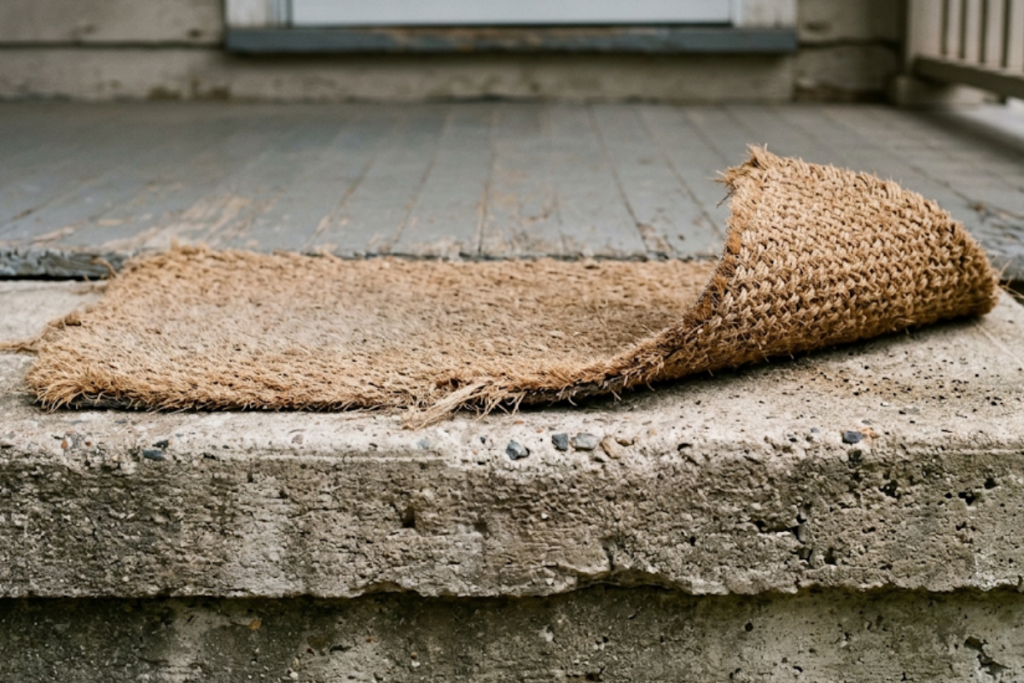
- Take photos of whatever caused the fall, such as a torn rug edge, a broken step, or a wet floor, before it gets cleaned up or repaired.
- Ask your friend for their homeowners or renters insurance information, which is a normal and expected part of the process, not an accusation.
- Write down what happened while the details are fresh, including the time, lighting conditions, and anyone who witnessed it.
- Avoid giving a recorded statement to an insurance adjuster before understanding what your claim may actually be worth.
Truskett Law offers a free case review for exactly this kind of situation, and going over the details with an attorney before you say anything to an insurance adjuster costs nothing and never obligates you to file a claim.
Why Choose Truskett Law After a Fall at a Friend’s House
Filing a claim against a friend’s homeowners or renters insurer, rather than against the friend personally, requires a different kind of communication than a typical car accident case. Truskett Law structures these claims from day one to make clear, in writing and in conversations with the insurance company, that the claim targets the policy, not the person, which is the accurate legal reality in the overwhelming majority of these cases. That distinction gets explained to clients early, so a Tulsa client is not left wondering whether pursuing fair compensation for a broken wrist or a torn ACL means damaging a friendship, when in fact it usually means the friend’s insurance premium, not their wallet, absorbs the claim. The firm handles the back and forth with adjusters, gathers the same kind of documentation used in commercial premises cases, including photos, incident details, and medical records, and keeps clients informed of where the claim stands, all on a contingency fee basis, so there is no upfront cost to find out what a claim involving a friend’s home might be worth in Tulsa, Oklahoma.
Conclusion
If there is one rule of thumb to take away, it is this: a fall at a friend’s house is a claim against an insurance policy, not a personal attack on a relationship, and treating it that way from the start tends to keep both the friendship and the claim on track. Expect the process to run on a similar timeline to any other premises claim, often several weeks to a few months for straightforward injuries, longer if treatment is ongoing, and expect the insurance company, not your friend, to be the one writing the check. For anyone in Tulsa, Oklahoma weighing whether to say something after a fall at a friend’s home, a short conversation with an attorney costs nothing and can clarify, often within a single call, whether a claim makes sense at all.
Contact Truskett Law for a Free Case Review or reach out online any time, day or night, and a real person from John Truskett’s team typically responds within the hour. There is no fee unless the case results in a recovery.
Frequently Asked Questions
Can I sue if I fell at a friend’s house?
Yes, you can generally pursue a claim if your friend’s negligence caused a dangerous condition that led to your fall. In most cases, that claim is filed against the friend’s homeowners or renters insurance policy rather than against the friend personally, and the insurance company handles the investigation and payment.
Will my friend’s homeowners insurance cover my injury?
In most cases, yes. Standard homeowners and renters policies include personal liability coverage that pays for guest injuries the homeowner is legally responsible for, and many also include smaller no-fault medical payments coverage for minor injuries regardless of who was at fault.
What if my friend doesn’t have homeowners or renters insurance?
If there is no applicable insurance policy, recovering compensation becomes more difficult, since any claim or judgment would need to come from the friend’s personal assets. In that situation, other coverage sources may need to be explored instead, though options are more limited.
Does it matter if I was invited or just visiting casually?
It can. Property owners generally owe a different level of care to invited guests than to people on the property without permission, such as trespassers. Someone invited to a home for a social visit is typically owed a duty to be warned about hazards the owner actually knows about.
How long do I have to file a claim after falling at someone’s house?
Deadlines vary by state, so it depends on where the fall happened. In Oklahoma, most personal injury claims must be filed within two years of the date of the injury, though gathering evidence and dealing with insurers is easier the sooner you start.
