

“What if I have a pre-existing condition and got hurt in an accident?” is one of the most common questions personal injury attorneys hear, and one of the most important. Millions of Americans live with prior injuries, chronic conditions, or past medical histories that insurance companies love to use as a reason to deny or minimize claims. If this is your situation in Tulsa or anywhere in Oklahoma, here is what you need to know: a pre-existing condition does not eliminate your right to be compensated. In fact, Oklahoma law has specific protections in place for people in exactly your position.
The Eggshell Plaintiff Doctrine: The Law Is on Your Side
Oklahoma, like most states, follows a legal principle known as the “eggshell plaintiff” or “eggshell skull” rule. This doctrine holds that a defendant must take the plaintiff as they find them, meaning if you were already vulnerable because of a prior condition, and an accident made that condition significantly worse, the at-fault party is still responsible for the harm they caused. They cannot escape liability simply because you were not starting from perfect health.
The Legal Information Institute at Cornell Law School describes this rule as a foundational principle of tort law across the United States. It prevents defendants and their insurers from using a victim’s pre-existing vulnerability as a shield against accountability.
This means that if you had a previous back injury and a car wreck in Tulsa aggravated that injury to the point where you needed surgery, you have the right to seek compensation for the aggravation, even if the accident would not have caused the same damage to a completely healthy person.
What Insurance Companies Will Try to Do
Despite clear legal protections, insurance companies routinely attempt to exploit pre-existing conditions. Their adjusters will pull your entire medical history looking for any prior treatment that overlaps with your current injury. They will then argue that your pain, limitation, or medical expenses are simply a continuation of your old condition, not something their policyholder caused.
This is a legal and financial tactic, not a fair medical evaluation. According to the National Academy of Social Insurance, insurance companies have well-established practices for managing claim costs, and a claimant’s medical history is one of the most commonly cited factors in lowball offers and claim denials.
If an insurance company is using your medical history to devalue or deny your claim, Truskett Law wants to hear from you. Call today for a free consultation with Tulsa’s #1 rated personal injury team.
Proving Your Claim With a Pre-Existing Condition
The key to winning compensation when you have a prior condition is documentation. Your attorney will need to establish a clear “before and after” picture: what your condition was before the accident, what it became after the accident, and why the accident, not the natural progression of your prior condition, is responsible for the change.
This typically involves:
- Obtaining your complete prior medical records to establish your baseline health before the accident
- Working with treating physicians and independent medical experts to document the nature and extent of the aggravation
- Comparing your level of function, pain levels, and required medical care before and after the incident
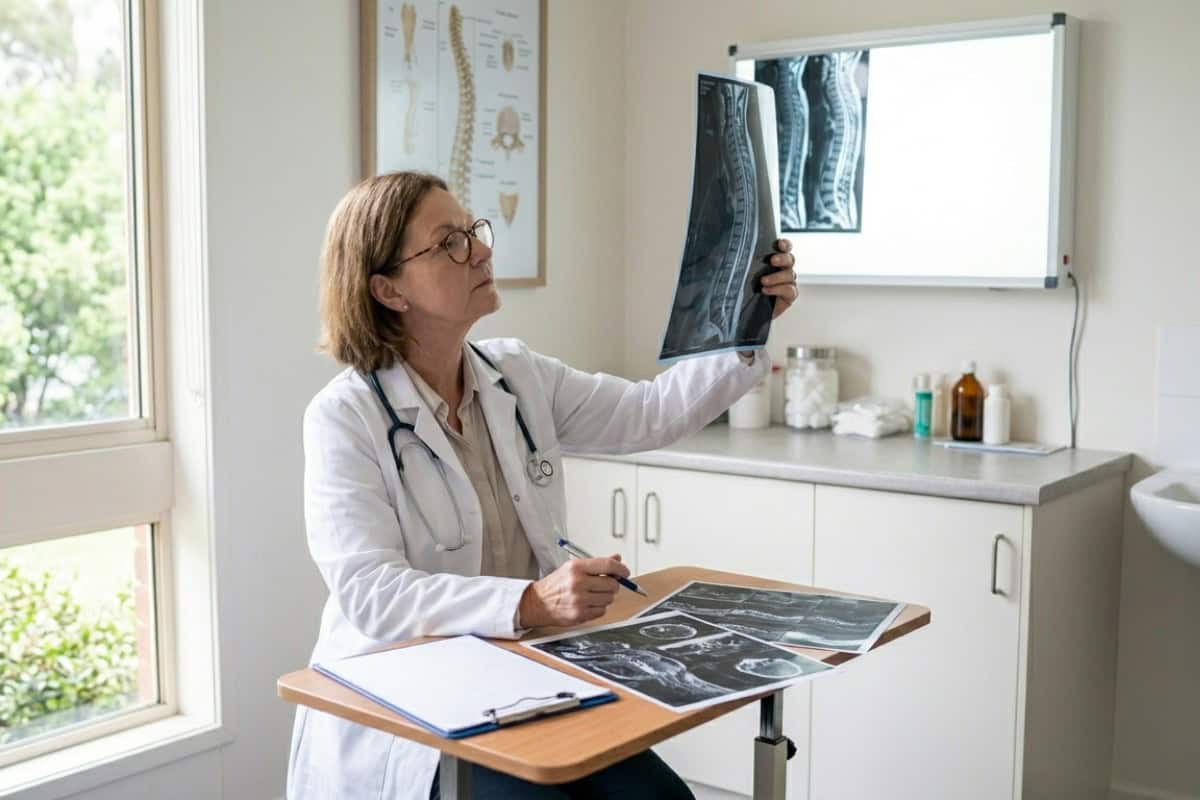
- Using imaging studies, such as MRIs, to show objective changes caused by the accident
The American Academy of Orthopaedic Surgeons has published research confirming that prior musculoskeletal conditions, among the most commonly cited pre-existing issues in personal injury cases, can be significantly and measurably worsened by traumatic events. This kind of evidence is critical to your case.
Conditions That Are Commonly Cited by Insurers
Almost any pre-existing condition can become a target for an insurance company looking to minimize a payout. Among the most frequently cited are prior back and neck injuries, degenerative disc disease, arthritis, prior head injuries, prior knee or shoulder surgeries, and mental health conditions. Each of these can be made meaningfully worse by an accident, and each is recoverable under Oklahoma law to the extent the accident aggravated the condition.
What you cannot recover is compensation for the pre-existing condition itself, only for the portion your accident worsened. This is a nuanced distinction that requires careful legal and medical analysis, which is exactly the kind of work that Truskett Law’s experienced team excels at.
Transparency Is Essential
One of the most important things you can do when you have a pre-existing condition is to be completely honest, with your doctor and with your attorney. Do not try to hide your prior medical history. Insurance companies will find it during discovery, and if it appears you were concealing it, your credibility will suffer. Instead, let your attorney build a transparent, well-documented case that honestly acknowledges your prior condition while clearly demonstrating how the accident changed your life.
The U.S. Department of Health & Human Services recognizes that pre-existing conditions affect tens of millions of Americans. Having one does not make you a lesser victim. It makes honest, aggressive legal representation even more important.
Why Choose Truskett Law
Truskett Law has spent over a decade exclusively practicing personal injury law for clients in Tulsa and throughout the surrounding Oklahoma communities. We understand that cases involving pre-existing conditions require a higher level of medical and legal coordination, and we have the experience and relationships with medical experts to handle them effectively.
We are honest with every client, if your case has challenges, we will tell you. If it has real merit, we will fight for every dollar you deserve. When you come to us with a pre-existing condition, we do not see a liability; we see a case that requires skilled advocacy, and that is exactly what we provide.
Conclusion
Having a pre-existing condition when you get hurt in an accident is not a reason to give up on compensation, it is a reason to get the right legal team on your side immediately. Oklahoma’s eggshell plaintiff rule protects you, the evidence can support you, and Truskett Law can guide you through every step of the process. Do not let an insurance company convince you that your medical history disqualifies you. It does not. Call Truskett Law in Tulsa today.
Your health history does not have to be a barrier to justice. Contact Truskett Law for a free case evaluation and let us show you what your claim may be worth.
Frequently Asked Questions
Can I be denied compensation just because I had a prior injury?
No. You cannot be denied compensation solely because you had a prior injury. Under the eggshell plaintiff rule, the at-fault party is responsible for any harm they caused, including worsening a condition you already had. You may only recover for the portion of your injury that was aggravated or caused by the accident, not for the pre-existing condition itself.
Will my pre-existing condition have to be disclosed during a personal injury claim?
Yes. Your full medical history is generally discoverable in a personal injury case. Insurers and defense attorneys will request your prior medical records. Being transparent with your attorney from the beginning is essential so they can present your history in a way that supports, rather than harms, your claim.
What if my pre-existing condition made my injuries worse than they would have been for a healthy person?
That does not reduce your right to compensation. The eggshell plaintiff rule specifically addresses this situation, defendants must take victims as they find them. If your vulnerability caused you to suffer more severe harm, the at-fault party is still responsible for the full extent of that harm.
Can a pre-existing mental health condition be part of a personal injury claim?
Yes. If the accident worsened a pre-existing mental health condition, such as anxiety, PTSD, or depression, the aggravation of that condition may be included in your damages. Documentation from mental health providers before and after the accident is key to supporting this portion of your claim.
How do doctors determine what was caused by the accident versus the pre-existing condition?
Medical experts compare your condition before and after the accident using prior records, imaging, functional assessments, and clinical evaluations. They look for objective, measurable changes that can be attributed to the traumatic event rather than the natural progression of the pre-existing condition.
