
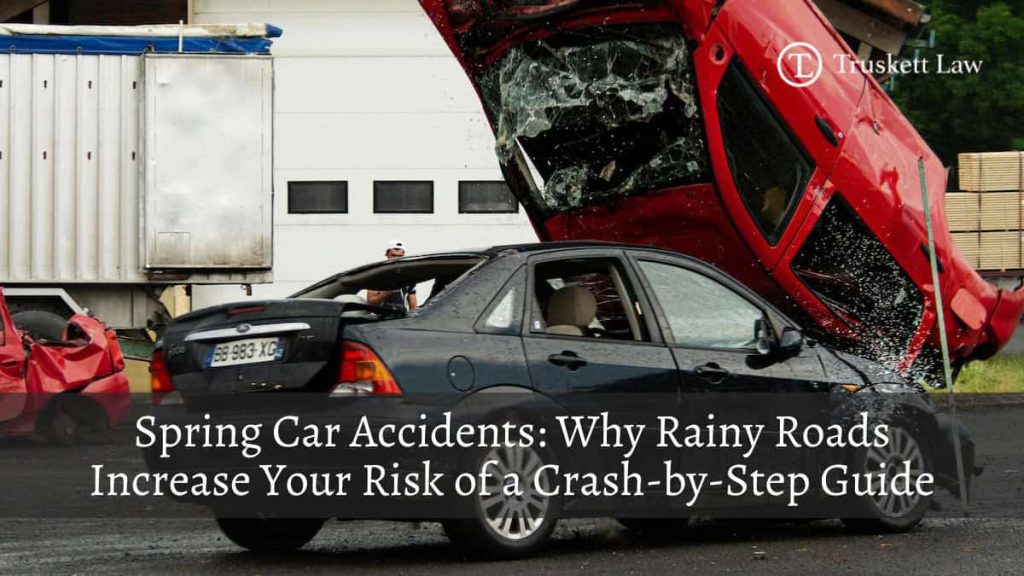
Spring is often associated with warmer weather, blooming landscapes, and a return to more active travel. But it also brings one of the most underestimated driving hazards: rain.
While rain showers may seem harmless compared to snow or ice, wet spring roads significantly increase the risk of car accidents. Reduced traction, poor visibility, and unpredictable road conditions all combine to create a dangerous driving environment.
Understanding why rainy roads are so hazardous—and how to respond after an accident—can help protect you physically, financially, and legally. At Truskett Law, we help injured drivers navigate the aftermath of weather-related crashes and pursue the compensation they deserve.
Why Rain Makes Driving More Dangerous
Rain changes road conditions in several important ways. The most immediate impact is reduced traction. When water mixes with oil and debris on the road surface, it creates a slick layer that tires struggle to grip. This makes it harder to stop, accelerate, and turn safely.
Even light rain can create dangerous conditions, especially after a dry spell when oil buildup is highest. Drivers often underestimate this risk, leading to sudden braking, hydroplaning, and loss of vehicle control.
Hydroplaning: A Major Springtime Hazard
One of the most dangerous effects of wet roads is hydroplaning. This occurs when a layer of water builds between the tires and the road, causing the vehicle to lose contact with the surface. When this happens, drivers may lose control of steering and braking entirely.
Hydroplaning is more likely at higher speeds, during heavy rain, or when tires are worn. Even a fraction of an inch of water can be enough to trigger it. Once a vehicle begins to hydroplane, recovery can be difficult without proper training and quick reaction time.
Reduced Visibility in Rainy Conditions
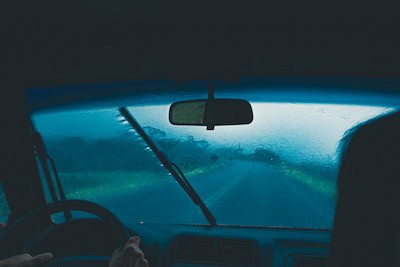
Rain doesn’t just affect the road—it also affects what drivers can see. Heavy rainfall can blur windshields, obscure road markings, and make it difficult to see brake lights or traffic signals.
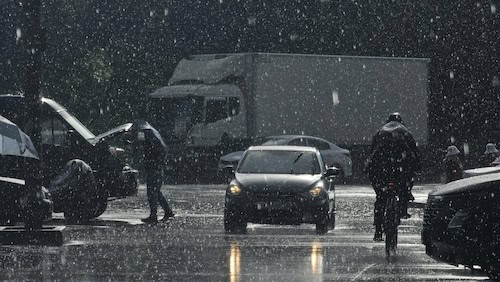
Poor visibility increases reaction times and reduces a driver’s ability to anticipate hazards. At night, rain becomes even more dangerous due to glare from headlights reflecting off wet surfaces. This combination significantly increases the likelihood of rear-end collisions and intersection accidents.
Longer Stopping Distances
Wet roads dramatically increase stopping distances. A vehicle traveling at normal speeds requires much more distance to come to a complete stop on a rain-soaked surface than on a dry road.
This becomes especially dangerous in heavy traffic or sudden slowdowns, where drivers may not have enough time or space to react. Rear-end collisions are common in these conditions, particularly when drivers follow too closely or fail to adjust their speed.
Spring Weather and Unpredictable Conditions
Spring weather is often inconsistent. Sudden rainstorms, shifting temperatures, and rapid weather changes can catch drivers off guard. A clear road can quickly become slick within minutes of rainfall starting.
Additionally, spring storms often bring strong winds, flooding, and debris on roadways. These conditions create unexpected obstacles that require quick decision-making and heightened awareness.
Common Types of Spring Rain-Related Accidents
Several types of accidents are more likely during rainy spring conditions, including:
- Rear-end collisions due to longer stopping distances
- Single-vehicle crashes caused by hydroplaning
- Intersection accidents due to poor visibility
- Multi-vehicle pileups on highways
- Lane departure accidents caused by loss of traction
Each of these accident types can result in serious injuries, property damage, and complex insurance claims.
Driver Behavior That Increases Risk
While weather plays a major role, driver behavior often determines whether an accident occurs. Common risky behaviors in rainy conditions include speeding, tailgating, distracted driving, and failing to use headlights.
Many drivers also fail to adjust their habits for wet roads, continuing to drive as if conditions are normal. This lack of adjustment is a leading cause of preventable accidents during spring rainfall.
What to Do Immediately After a Rain-Related Accident
If you are involved in a crash during rainy conditions, your response is critical. First, ensure your safety and the safety of others. Move to a safe location if possible and check for injuries.
Next, call emergency services and report the accident. Even if injuries seem minor, it’s important to have medical professionals evaluate the situation. Rain-related crashes often involve hidden injuries such as whiplash or concussions.
Gathering Evidence at the Scene
Evidence plays a key role in proving fault in weather-related accidents. Take photos of:
- The accident scene
- Vehicle damage
- Road conditions, including standing water or slick surfaces
- Weather conditions at the time of the crash
Additionally, collect witness statements and contact information. This documentation can help establish how the accident occurred and whether another driver acted negligently despite the weather.
Determining Fault in Rainy Weather Accidents
A common misconception is that bad weather automatically removes liability. In reality, drivers are still responsible for operating their vehicles safely, even in poor conditions.
If a driver was speeding, following too closely, or failing to adjust to weather conditions, they may still be found negligent. Courts and insurance companies often evaluate whether a driver acted reasonably given the circumstances.
Insurance Challenges After Weather-Related Crashes
Insurance companies may try to attribute accidents solely to weather conditions rather than driver negligence. However, the weather does not excuse unsafe driving behavior.
Adjusters may also attempt to minimize payouts by arguing that no one was clearly at fault. This is where strong evidence and legal representation become essential in protecting your claim.
Medical Attention and Hidden Injuries
Not all injuries are immediately visible after a crash. Rain-related accidents often involve sudden impacts that can cause delayed symptoms such as neck pain, back injuries, or internal trauma.
Seeking medical attention right away ensures proper diagnosis and creates a record linking your injuries to the accident. This documentation is critical for any insurance or legal claim.
The Role of Comparative Negligence
In many states, comparative negligence laws apply. This means that even if you are partially responsible for an accident, you may still recover compensation. However, your total recovery may be reduced based on your percentage of fault.
Understanding how these laws apply is important when negotiating with insurance companies or pursuing legal action.
Preventing Spring Rain Accidents
While not all accidents are avoidable, drivers can take steps to reduce risk:
- Slow down during rain and wet conditions
- Increase the following distance
- Use headlights for visibility
- Avoid sudden braking or sharp turns
- Ensure tires are properly maintained
These simple precautions can significantly reduce the likelihood of a crash.
When to Contact a Lawyer
If you are injured in a rainy weather accident, consulting a personal injury lawyer can help protect your rights. Legal professionals can investigate the crash, gather evidence, and negotiate with insurance companies on your behalf.
A lawyer can also determine whether another driver’s negligence contributed to the accident and pursue compensation for medical expenses, lost wages, and pain and suffering.
Protecting Your Rights After a Rainy Road Accident
Spring rain may be unavoidable, but you don’t have to face the aftermath of a car accident alone. At Truskett Law, we help injured clients understand their rights, investigate weather-related crashes, and pursue full compensation for their losses. Our team handles insurance disputes, evidence gathering, and legal strategy so you can focus on recovery.
If you’ve been injured in a spring rain accident, don’t wait to get help. Contact Truskett Law today to learn how we can protect your rights and guide you through every step of your claim.
Frequently Asked Questions
1: Can I still file a claim if the accident was caused by rain?
Yes. Rain does not automatically remove another driver’s liability. If the other driver was speeding, tailgating, or otherwise driving carelessly in wet conditions, they can still be held responsible for the accident and your injuries.
2: What should I do if the other driver blames the weather for the crash?
Blaming the weather is not a valid legal defense on its own. All drivers have a duty to adjust their speed and behavior to match road conditions. Gathering evidence at the scene — such as photos and witness statements — can help counter this argument and support your claim.
Q3: How long do I have to file a personal injury claim after a rain-related accident?
The time limit to file a claim, known as the statute of limitations, varies by state. It is important to act quickly, as waiting too long can result in losing your right to seek compensation. Contacting a lawyer as soon as possible after the accident helps ensure you meet all deadlines.
Q4: What if I was partially at fault for the accident?
You may still be eligible to recover compensation even if you share some of the blame. Under comparative negligence laws, your settlement amount may be reduced by your percentage of fault, but you are not necessarily barred from recovering damages entirely. A lawyer can help evaluate how these rules apply to your specific case.
Q5: How can Truskett Law help me after a rainy weather accident?
Truskett Law can assist you in every aspect of your claim — from investigating the crash and gathering evidence to negotiating with insurance companies and representing you in court if necessary. Our goal is to secure full and fair compensation for your medical expenses, lost income, and pain and suffering so you can focus on healing.
